Introduction to Labor Preparation Exercises
Labor preparation exercises help expectant mothers get ready for childbirth. These safe pregnancy exercises can make labor easier and less stressful. In fact, many women find that regular movement helps reduce pain and boosts confidence. According to the World Health Organization (WHO), staying active during pregnancy supports both mother and baby. But what are labor preparation exercises, and why should you try them?
Labor preparation exercises are gentle movements that strengthen your body for birth. They focus on your back, hips, and pelvic muscles. As a result, these exercises may help you feel more comfortable and prepared. Some benefits include:Improved muscle strength and flexibilityBetter posture and balanceReduced back painShorter and easier laborFaster recovery after birth
For many women, these exercises are an important part of prenatal care. They are also a key part of prenatal physiotherapy.
Types of Labor Preparation Exercises
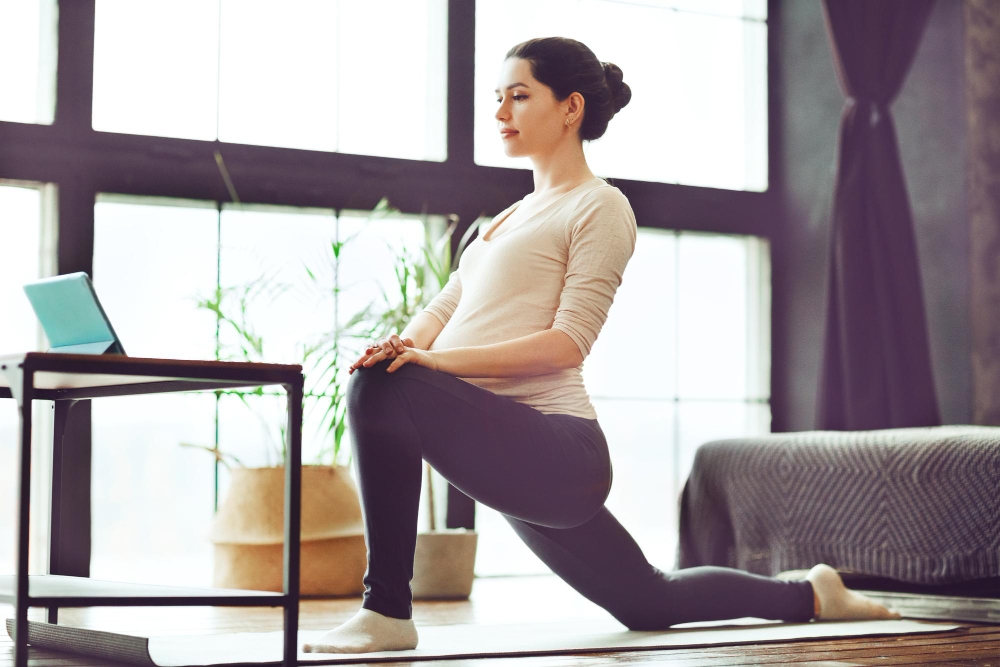
There are several types of labor preparation exercises. Each one targets different muscles. Below, you will find examples and step-by-step instructions. Always check with your healthcare provider before starting any new exercise.
1. Pelvic Tilts
Pelvic tilts help strengthen your lower back and core. They also ease back pain.Stand with your back against a wall.Bend your knees slightly.Flatten your back against the wall by tightening your stomach muscles.Hold for a few seconds, then relax.Repeat 10 times.
2. Kegel Exercises
Kegels strengthen your pelvic floor muscles. These muscles support your bladder, uterus, and bowels.Sit or lie down comfortably.Tighten the muscles you use to stop urinating.Hold for 5 seconds, then relax for 5 seconds.Repeat 10 times, three times a day.
3. Squats
Squats open your pelvis and strengthen your legs. They also help your baby move into the right position.Stand with your feet shoulder-width apart.Keep your back straight and lower your body as if sitting in a chair.Hold for a few seconds, then stand up.Repeat 10 times.
4. Cat-Cow Stretch
This gentle stretch eases back pain and improves flexibility.Get on your hands and knees.Arch your back up (like a cat), then lower it down (like a cow).Repeat 10 times, moving slowly.
5. Deep Breathing and Relaxation
Deep breathing helps you stay calm and focused during labor. It also improves oxygen flow to your baby.Sit comfortably with your back straight.Breathe in slowly through your nose.Let your belly rise as you fill your lungs.Breathe out slowly through your mouth.Repeat for several minutes.
Safety Tips and Precautions
While labor preparation exercises are safe for most women, it is important to follow some safety tips. First, always talk to your doctor before starting any exercise program. Next, listen to your body. If you feel pain, dizziness, or shortness of breath, stop right away. Here are some more safety tips:Drink plenty of water before and after exercising.Wear comfortable clothing and supportive shoes.Avoid lying flat on your back after the first trimester.Do not overdo it; gentle movements are best.Rest if you feel tired.
According to the Centers for Disease Control and Prevention (CDC), regular, moderate exercise is safe for most pregnant women. However, always follow your healthcare provider’s advice.
When to Start and How Often to Do These Exercises
Many women wonder when to start labor preparation exercises. In most cases, you can begin as soon as your doctor says it is safe. Usually, this is after your first prenatal visit. For best results, aim to exercise three to five times a week. Each session can last 20 to 30 minutes. However, even short sessions are helpful. Consistency is more important than intensity. If you are new to exercise, start slowly and build up over time.
How Physiotherapists Can Help
Physiotherapists are experts in movement and body mechanics. They can teach you safe pregnancy exercises and help you prepare for labor physically. In addition, they can create a personalized exercise plan based on your needs. If you have back pain, pelvic pain, or other concerns, a physiotherapist can offer special guidance. Prenatal physiotherapy may also help you recover faster after birth. For many women, working with a physiotherapist brings peace of mind and better results.
Frequently Asked Questions (FAQs)
Are labor preparation exercises safe for everyone?Most women can do these exercises, but always check with your doctor first.Can I do these exercises at home?Yes, most exercises are simple and safe to do at home.What if I have never exercised before?Start slowly and choose gentle movements. A physiotherapist can help you get started.Will these exercises make labor easier?Many women find that labor is shorter and less painful when they stay active.When should I stop exercising?If you feel pain, dizziness, or have any concerns, stop and contact your doctor.
Conclusion
Labor preparation exercises offer many benefits for expectant mothers. They help you stay strong, flexible, and confident as you get ready for birth. However, every pregnancy is unique. Consult a physiotherapist or healthcare provider for personalized guidance.