
Introduction: Why Knee Pain Physiotherapy Matters
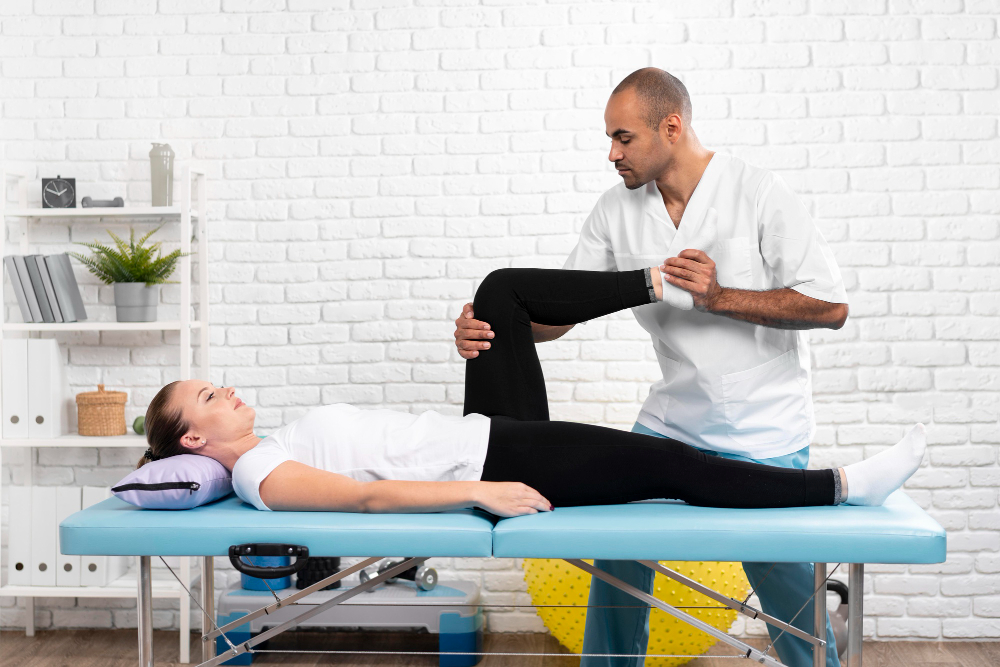
Knee pain physiotherapy helps many people find relief and recover faster. If you have knee pain, simple exercises can make a big difference. In fact, physiotherapy focuses on safe movements to reduce pain and improve strength. For many, these exercises help avoid surgery and return to daily activities sooner. According to the CDC, regular movement is key for joint health. So, learning the right exercises is important for your recovery.
Understanding Knee Pain: Causes and How Physiotherapy Helps
Knee pain can happen for many reasons. Sometimes, it is due to an injury, like a fall or twist. Other times, it comes from overuse, arthritis, or weak muscles. However, no matter the cause, knee pain can limit your movement. Physiotherapy helps by teaching you safe ways to move and build strength. As a result, you may feel less pain and move more easily. In addition, physiotherapists guide you through exercises that protect your knee and speed up healing.
Hamstring Curl Exercises: A Key Part of Knee Pain Relief
Hamstring curls are a popular exercise in knee pain physiotherapy. But what are they? Hamstring curls work the muscles at the back of your thigh. These muscles help support your knee. When they are strong, your knee feels more stable and less painful. Many experts recommend hamstring curls for knee pain relief and recovery.
Benefits of Hamstring Curls for Knee Pain
Because these benefits are important, hamstring curls are often part of safe knee exercises at home.
How to Do Hamstring Curls Safely at Home
Before you start, always warm up with gentle walking or stretching. Then, follow these steps:
For extra support, you can do this exercise lying on your stomach. Simply bend your knee and lift your foot toward your bottom, then lower it back down. Remember, slow and steady movements are best.
Common Mistakes and Safety Tips
Because safety is important, always listen to your body and rest if needed.
Extra Tips for Managing and Preventing Knee Pain
Besides hamstring curls, there are other ways to care for your knees. For example, you can:
In addition, staying active with low-impact activities like swimming or cycling can help keep your knees strong.
When to Seek Professional Physiotherapy or Medical Advice
Sometimes, home exercises are not enough. If your knee pain is severe, lasts more than a few weeks, or gets worse, you should see a doctor. Also, if you notice swelling, redness, or cannot move your knee, seek help right away. Physiotherapy clinics in your area can offer personalized care and advanced treatments. Early help often leads to better results.
Conclusion: Take the Next Step for Knee Pain Relief
Knee pain physiotherapy, including hamstring curl exercises, can help you find relief and recover safely. However, every knee is different. For the best results, consult a licensed physiotherapist for personalized knee pain management.