Introduction to Postnatal Recovery and Physiotherapy
After childbirth, many women need time to heal and regain strength. Physiotherapy for postnatal recovery can help new mothers recover safely. This care focuses on gentle exercises and support for the body. As a result, mothers can feel stronger and more comfortable during this important time. Physiotherapists guide women through safe movements and teach helpful techniques. Therefore, postnatal physiotherapy is a key part of a healthy recovery.
Common Postnatal Issues Addressed by Physiotherapy
Many new mothers face physical changes after giving birth. However, physiotherapy can help manage these common issues:
Back pain or pelvic pain
Weak pelvic floor muscles, which may cause urine leaks
Abdominal muscle weakness or separation (diastasis recti)
Joint stiffness or muscle tightness
Posture problems from feeding or carrying the baby
Swelling in the legs or feet
Because these problems can affect daily life, early support is important. Physiotherapy after childbirth can help address these concerns.
Key Benefits of Physiotherapy After Childbirth
Physiotherapy offers many benefits for postnatal recovery. For example, it helps mothers regain strength and confidence. Here are some key benefits:
Reduces pain and discomfort
Improves posture and body alignment
Strengthens core and pelvic floor muscles
Supports safe return to daily activities
Prevents long-term problems, such as back pain
Boosts energy and mood
With the right guidance, mothers can recover faster and feel better each day.
Typical Physiotherapy Techniques and Exercises for Postnatal Recovery
Physiotherapists use gentle and safe methods to help new mothers heal. Some common techniques include:
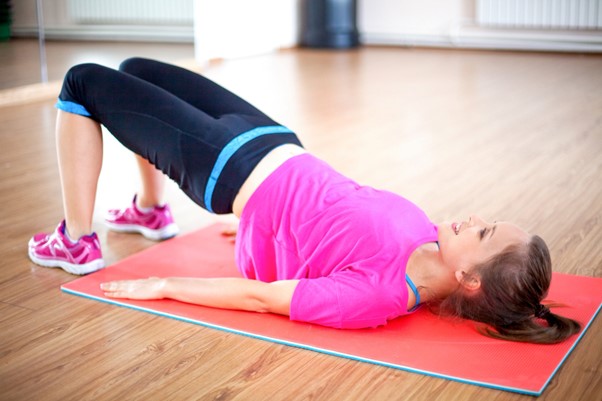
Pelvic floor exercises (Kegels) to strengthen muscles
Gentle core strengthening exercises
Breathing and relaxation techniques
Stretching to ease muscle tightness
Posture training for safe lifting and feeding
Light aerobic activities, such as walking
Because every woman is different, a physiotherapist will create a plan that fits each mother’s needs. Always start slowly and increase activity as your body allows.
Safety Tips and When to Start Physiotherapy
Safety is very important after childbirth. Most women can begin gentle exercises soon after delivery. However, always check with your doctor first. Here are some safety tips:
Start with simple breathing and pelvic floor exercises
Listen to your body and stop if you feel pain
Wait for your doctor’s approval before doing harder exercises
Stay hydrated and rest when needed
If you had a C-section, wait until your wound heals
Because everyone heals at a different pace, follow your healthcare provider’s advice.
Lifestyle Guidance and Home Care Recommendations
Besides exercises, healthy habits help with postnatal recovery. For example, you can:
Eat a balanced diet rich in fruits, vegetables, and protein
Drink plenty of water
Get enough sleep and rest when possible
Ask for help with chores or baby care
Practice good posture while feeding or holding your baby
Take short walks to boost mood and energy
With these simple steps, you can support your body’s healing process at home.
Prevention of Complications and Long-Term Health
Early physiotherapy can help prevent future problems. For instance, it lowers the risk of long-term back pain or bladder issues. Regular exercise also supports heart health and weight control. Because of this, staying active and following your physiotherapist’s advice is important. If you notice any new pain, swelling, or other problems, contact your doctor right away.
Frequently Asked Questions (FAQs)
When should I start postnatal physiotherapy?
Most women can begin gentle exercises soon after delivery. However, always ask your doctor first.
Are postnatal exercises safe after a C-section?
Yes, but wait until your wound heals and your doctor gives approval.
How often should I do postnatal exercises?
Start with a few minutes each day. Gradually increase as you feel stronger.
Can physiotherapy help with urine leaks?
Yes, pelvic floor exercises can reduce leaks and improve muscle control.
Do I need special equipment?
No, most exercises use your body weight and can be done at home.
Conclusion
In summary, physiotherapy for postnatal recovery helps new mothers heal safely and regain strength. With expert guidance, you can address common issues and prevent future problems. Consult a qualified physiotherapist for personalized postnatal recovery guidance.