Introduction to Pregnancy Pain Management
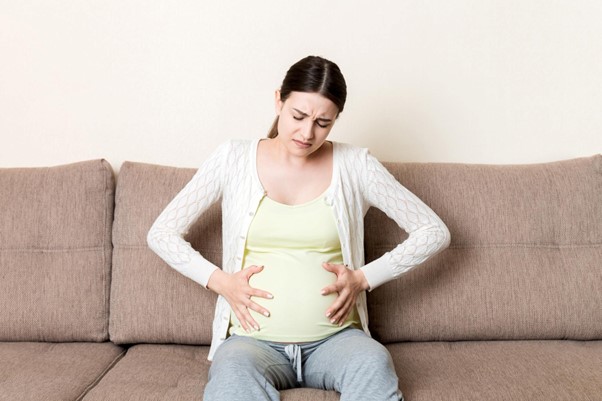
Pregnancy pain management is important for expectant mothers. Many women feel pain at some point during pregnancy. This is normal, but it can be uncomfortable. Because your body changes quickly, you may notice new aches. However, there are safe ways to manage pain and stay comfortable. In this blog, you will learn about common pain types, safe pain relief during pregnancy, and helpful tips. With the right knowledge, you can enjoy a more comfortable pregnancy.
Common Types and Causes of Pain During Pregnancy
Many women experience pain during pregnancy. Some types are more common than others. Understanding these can help you find relief.Back pain: As your belly grows, your back works harder. This can cause aches, especially in the lower back.Pelvic pain: Your body prepares for birth by loosening joints. This can lead to pain in the hips or pelvis.Headaches: Hormone changes and stress may cause headaches. Sometimes, dehydration or lack of sleep can make them worse.Leg cramps: These often happen at night. They may be caused by changes in blood flow or low minerals.Round ligament pain: Sharp pain in the lower belly is common as your uterus grows.
Although these pains are common, they can be managed with the right steps.
Safe Pain Relief Methods
There are many safe pain relief options during pregnancy. Always talk to your doctor before trying new methods. Still, most women can use these strategies:Lifestyle changes: Rest often and avoid heavy lifting. Try to keep a regular sleep schedule.Exercise: Gentle activities like walking or swimming can help. Exercise supports your muscles and eases pain.Prenatal yoga: Yoga stretches and relaxes your body. It can reduce back and pelvic pain. Look for classes made for pregnant women.Good posture: Stand tall and sit with your back straight. Use a pillow for support if needed.Heat and cold packs: A warm towel or cold pack can soothe sore spots. Do not use heat for too long.
For more tips on how to manage pregnancy pain naturally, ask your healthcare provider.
Medical Treatments and When to Seek Help
Sometimes, pain may need medical treatment. Some medicines are safe, but others are not. Always check with your doctor before taking any medicine. For example, acetaminophen is often safe for short-term use. However, avoid ibuprofen unless your doctor says it is okay (CDC).
Watch for red flags. If you notice any of these, seek help right away:Severe or sudden painBleeding or fluid leakingFever or chillsSevere headache with vision changesPain with swelling in your legs
These signs may mean something serious. Quick care can protect you and your baby.
Prevention Tips and Lifestyle Guidance
Although some pain is normal, you can lower your risk with healthy habits. Here are some pregnancy pain management tips:Eat well: Choose foods rich in calcium, magnesium, and protein. These help your muscles and bones stay strong.Stay hydrated: Drink plenty of water each day. This can prevent headaches and cramps.Rest often: Take breaks and listen to your body. Short naps can help you feel better.Use good ergonomics: When lifting, bend your knees and keep your back straight. Use chairs with good support.Wear comfortable shoes: Flat, supportive shoes can reduce back and leg pain.
With these steps, you can prevent or lessen many common pains.
Frequently Asked Questions About Pregnancy Pain Management
Is it normal to have pain during pregnancy?Yes, mild pain is common. However, always tell your doctor about new or severe pain.Can I use over-the-counter pain medicine?Some medicines are safe, but always ask your doctor first. Acetaminophen is usually okay, but avoid ibuprofen unless advised.Are natural remedies safe?Many natural methods, like gentle exercise and heat packs, are safe. Still, check with your doctor before trying new remedies.When should I worry about pain?If pain is severe, sudden, or comes with other symptoms like bleeding, call your doctor right away.How can I manage pain without medicine?Try rest, gentle movement, yoga, and good posture. These can help most mild pains.
Conclusion
Pain during pregnancy is common, but you do not have to suffer. With safe pain relief during pregnancy and healthy habits, you can feel more comfortable. However, always talk to your doctor before starting new treatments. For personalized pregnancy pain management advice, consult your healthcare provider.